


hardware wallets: final safety for your crypto
The world of cryptocurrencies lasted a long way since Bitcoin was introduced in 2009. Along with the rapid development of the market, users are looking for safer and more reliable ways to store their digital resources. One of the solutions that has gained popularity in recent years are the hardware portfolio, designed specifically to protect cryptocurrencies against hackers, theft and unauthorized access.
What are hardware wallets?
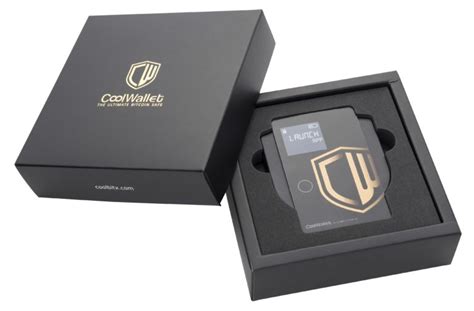
The hardware portfolio is a physical device that stores private offline cryptocurrency keys, eliminating the need for internet communication or using mobile applications. These devices usually consist of a USB unit or a safe system that generates a pair of digital keys only for the cryptocurrency portfolio of each user. The keys are then stored in a separate and visible matter.
Portfolio hardware benefits
- Total safety : The hardware portfolio offers unparalleled safety compared to software -based solutions such as Metamask or Electrum. When storing private offline keys, users can enjoy an additional layer of hacking and protecting theft.
- Without intermediaries : Unlike the exchange of lines or portfolio applications that require internet communication, hardware wallets eliminate the need for intermediaries, reducing the risk of data violation and unauthorized access.
- Inaccessible storage : The physical device stores private keys in a safe system, thanks to which it is practically impossible to invade or access cryptocurrency without the right key.
- Easy to use : After installing, users can easily import existing wallets to the hardware portfolio software, enabling them to easily manage and track cryptocurrencies.
Types of hardware wallets
- Software -based hardware portfolio : These are essentially programs operating on a computer or mobile device. Examples include a reliable card and metamask.
- Physical hardware wallets : These are independent devices that can be connected to a USB port or card reader. Examples include Ledger, Trezor and Keepkey.
- Hybrid portfolio : Some wallets combine the safety of the hardware portfolio of online functionality, enabling users to import their private software -based portfolio.
Popular hardware brands
1.
- Trezor
: Popular among cryptocurrency enthusiasts due to advanced safety and compatibility functions with various platforms.
- Keepkey : offers a comprehensive range of hardware wallets, including the popular Ledger G2 and the Trezor One series.
Choosing the right hardware portfolio
When choosing a hardware portfolio, consider the following factors:
- Compatibility : Check that the wallet is compatible with the operating system (Windows, MacOS or Linux) and cryptocurrency.
- Security functions : Look for functions such as PINS protection or password, encryption and technology of safe systems.
3.
- Price : The hardware portfolio may vary depending on the expensive, depending on the brand and resources.
Application
Hardware wallets are the final solution that protects participation in cryptocurrency. Thanks to full offline memory, without intermediaries and advanced safety functions, these devices offer unparalleled hacker protection, theft and unauthorized access. Regardless of whether you are an experienced enthusiast of encryption or just starting, investing in a reliable hardware portfolio is necessary to protect digital assets. By choosing the right hardware portfolio, you can be sure that your private cryptocurrency keys are protected by unfettling eyes.
Recommendations
- Ledger: Popular and highly classified option for beginners.